

Precision Injection Molding: The Complete Engineering & Manufacturing Guide
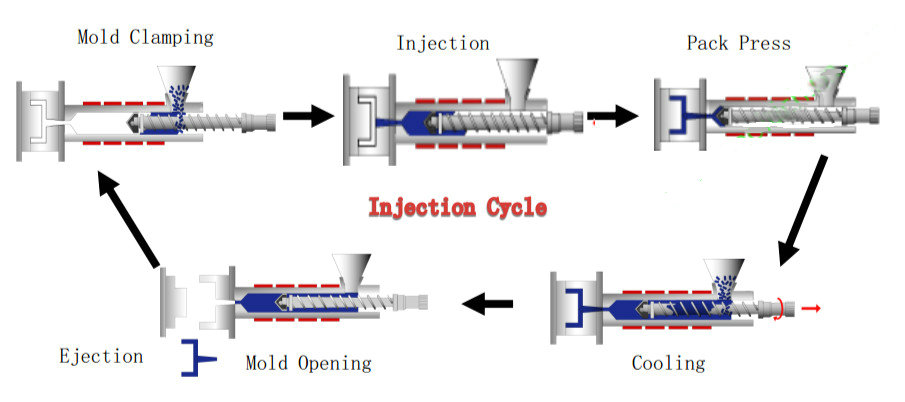
Precision injection molding is one of the most advanced plastic manufacturing processes used to produce high-accuracy components with tight tolerances, complex geometries, and consistent repeatability.
From medical micro-components to automotive connectors and electronic housings, precision molding enables manufacturers to achieve dimensional accuracy as tight as ±0.01 mm, which is critical for modern engineering applications.
In this guide, you will learn:
- What precision injection molding really means
- How tight tolerances are achieved
- Key materials and applications
- Cost drivers and design considerations
- Real-world engineering case studies
What is Precision Injection Molding
Precision injection molding is a specialized manufacturing process that focuses on producing plastic parts with extremely tight dimensional tolerances, typically ranging from:
- ±0.01 mm to ±0.05 mm (standard precision range)
- Up to ±0.001 mm (micro molding applications)
Unlike conventional injection molding, precision molding emphasizes:
- Dimensional consistency
- Process stability
- Material behavior control
- High repeatability in mass production
Precision vs Standard
Precision vs Standard Injection Molding
| Feature | Standard Molding | Precision Molding |
|---|---|---|
| Tolerance | ±0.1 mm | ±0.01 mm |
| Mold Accuracy | Conventional | Ultra-precision |
| Materials | Commodity plastics | Engineering plastics |
| Equipment | Hydraulic machines | Electric / high-precision |
| Applications | General products | Functional components |
Precision molding is essential when parts must fit perfectly, seal properly, or perform mechanically.
Precision Injection Molding Process
The Precision Injection Molding Process
The process itself is similar to standard injection molding, but with significantly tighter control.
Step 1: Material Preparation
- Drying engineering plastics to eliminate moisture
- Ensuring consistent material viscosity
Step 2: Injection Phase
- Molten plastic is injected into a precision mold
- Injection speed and pressure must be tightly controlled
Step 3: Packing & Holding
- Additional pressure compensates for shrinkage
- Critical for dimensional accuracy
Step 4: Cooling
- Controlled cooling prevents warpage
- Uniform temperature distribution is key
Step 5: Ejection
- Parts are released without deformation
- Mold design must ensure stress-free ejection
How to Achieve ±0.01mm Tolerance
How to Achieve Tight Tolerances in Injection Molding
Achieving ±0.01mm accuracy requires control over multiple variables:
1. High-Precision Mold Tooling
- CNC machining accuracy
- EDM finishing
- Mirror polishing for optical parts
Mold precision directly determines final part accuracy
2. Material Shrinkage Control
Each plastic has a different shrinkage rate:
| Material | Shrinkage Rate |
|---|---|
| ABS | 0.4–0.7% |
| PC | 0.5–0.7% |
| Nylon | 1.0–2.0% |
Control methods:
- Moldflow simulation
- Gate optimization
- Uniform cooling design
3.Scientific Molding
Scientific molding ensures repeatability through:
- Pressure monitoring
- Temperature control
- Process validation
4. Machine Stability
- Electric injection machines preferred
- High repeatability and accuracy
5. Quality Inspection
- CMM measurement
- Optical inspection systems
- Statistical process control (SPC)
Materials for Precision Injection Molding
Best Materials for Precision Injection Molding
Precision molding typically uses engineering plastics:
High-Performance Plastics
- PEEK (medical & aerospace)
- LCP (micro electronics)
- PPS
Common Engineering Plastics
- ABS
- Polycarbonate (PC)
- Nylon (PA6, PA66)
Material Selection Factors
- Dimensional stability
- Thermal expansion
- Mechanical strength
- Moisture absorption
Applications
Applications of Precision Injection Molding
Precision molding is widely used in:
Medical Industry
- Surgical components
- Microfluidic devices
Automotive Industry
- Connectors
- Sensor housings
Electronics Industry
- Smartphone components
- Precision connectors
Industrial Equipment
- Gears
- High-precision housings
Engineering Case Studies
Real Engineering Case Studies
Case 1: Micro Medical Component
- Material: PEEK
- Tolerance: ±0.01 mm
- Challenge: Micro deformation
- Solution: Moldflow + micro gate design
- Result: 99.8% yield
Case 2: Automotive Connector
- Material: PA66 + GF30
- Challenge: Fiber distortion
- Solution: Cooling optimization
- Result: OEM approved
Case 3: Electronics Housing
- Material: PC
- Challenge: Sink marks
- Solution: Scientific molding
- Result: Zero defect assembly
Design Guidelines
Design Guidelines for Precision Injection Molding
To achieve high precision, part design must consider:
Wall Thickness
- Uniform thickness prevents warping
Draft Angle
- Ensures easy ejection
Tolerance Allocation
- Avoid over-specifying unnecessary tight tolerances
Gate Location
- Affects shrinkage and flow
Common Defects & Solutions
Common Defects in Precision Molding
| Defect | Cause | Solution |
|---|---|---|
| Warpage | Uneven cooling | Optimize cooling |
| Sink marks | Poor packing | Increase pressure |
| Flash | Mold misalignment | Improve tooling |
| Shrinkage | Material behavior | Moldflow simulation |
Cost Factors
Cost of Precision Injection Molding
Key cost drivers include:
1. Tooling Cost
- High precision molds are expensive
2. Material Cost
- Engineering plastics cost more
3. Production Volume
- Higher volume reduces unit cost
4. Tolerance Requirements
- Tighter tolerance = higher cost
Tip: Not all parts need ±0.01mm tolerance—optimize for cost efficiency.
Choosing the Right Manufacturer
How to Choose a Precision Injection Molding Manufacturer
When selecting a supplier, consider:
- Tooling capability (CNC, EDM)
- Experience with engineering plastics
- Quality control systems
- Engineering support
- Production capacity
Why Work With Us
Why Choose Our Precision Injection Molding Services
- ±0.01 mm tolerance capability
- Advanced tooling and equipment
- Experienced engineering team
- Stable high-volume production
- Fast global delivery
CTA
Get a Quote for Precision Injection Molding
Looking for a reliable precision injection molding partner?
Send us your drawings or samples today.
Fast quotation within 24 hours
Engineering support included
Global shipping available
FAQ
What tolerance can be achieved?
Typically ±0.01mm depending on material and geometry.
What is the best plastic for precision molding?
PEEK, LCP, and PC are commonly used.
Is precision injection molding expensive?
Yes, but necessary for high-performance applications.