Glossy plastic parts are injection molded components with smooth, shiny, or mirror-like surfaces. These parts are widely used in products where appearance and surface quality are critical.


Hot line!
0086-18964821913
The injection molding process requires a seamless integration of machinery, raw materials, and precision molds. We provide a true “one-stop” solution:
In-House Mold Design: We simplify part geometry to ensure easier molding and prevent defects.
Precision Tooling: We use a core cavity approach and advanced DFM (Design for Manufacturing) analysis to optimize every mold.
Mass Production: From thousands to millions of parts, we utilize hot runner systems to minimize cycle times and maximize cost savings.
Successful injection molding is a result of careful design and machine property management. We help you navigate the key factors:
Cost-Efficiency: We analyze your production quantities to ensure injection molding is the most cost-effective method for your specific volume.
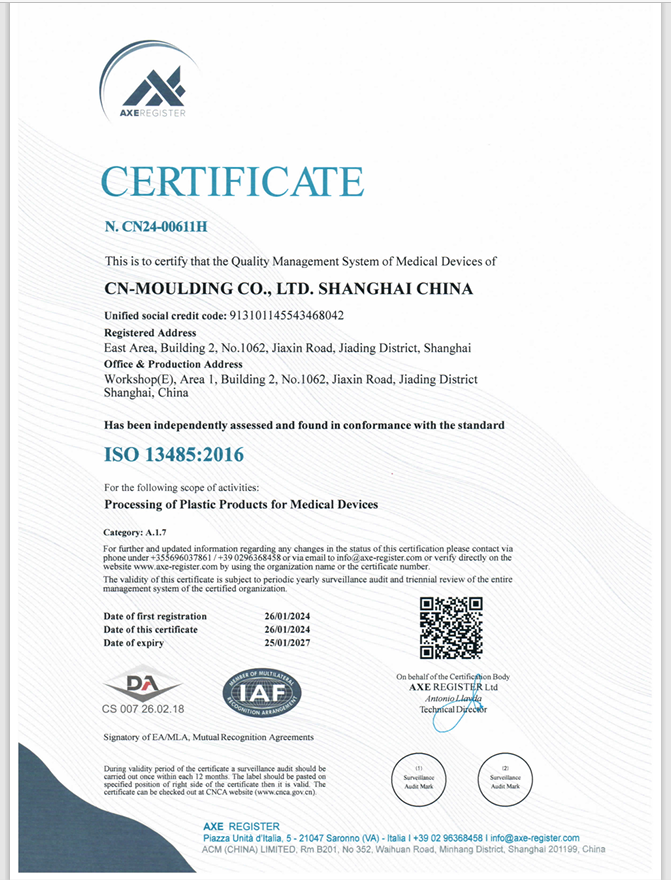
Cleanroom Production: For medical and automotive parts, our controlled environments ensure your products meet strict cleanliness and safety standards.
Logistical Advantage: Located in Shanghai, we ensure fast, reliable shipping and supply chain integration for your global operations.
Injection molding is a significant investment. Our engineers work with you to lower costs through proven strategies:
Design Optimization: Eliminating undercuts and unnecessary features to simplify the mold.
High-Output Tooling: Utilizing multi-cavity or family molds to increase production speed.
Material & Finish Management: Advising on cosmetic finishes and part sizes to reduce material waste and tooling complexity.
Tooling Longevity: Modifying and re-using existing molds when applicable to extend the value of your assets.
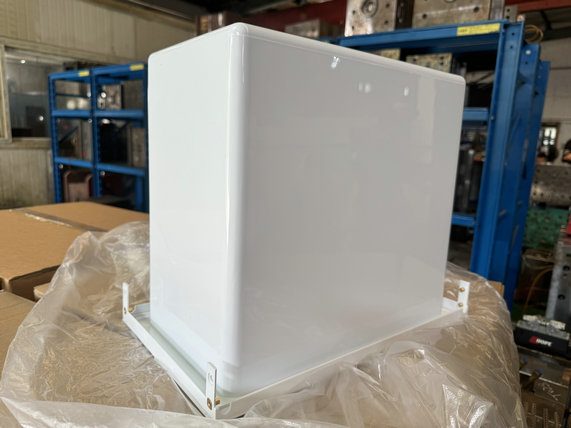
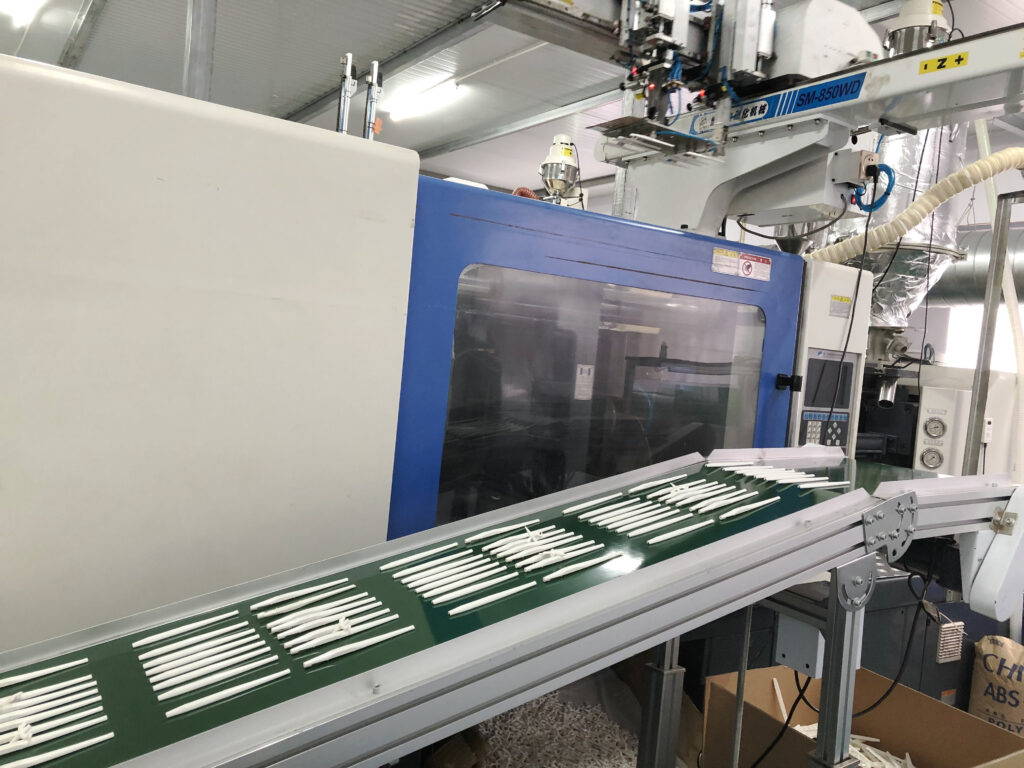

Glossy plastic parts are injection molded components with smooth, shiny, or mirror-like surfaces. These parts are widely used in products where appearance and surface quality are critical.
If you have a plastic injection molding facility. You wanted to improve productivity and you had experienced people doing it. What projects would you choose and in what order? For example Shorter setup times, scrap reduction, injection mold preventative maintenance, optimum run size, etc.
Precision injection molding is one of the most advanced plastic manufacturing processes used to produce high-accuracy components with tight tolerances, complex geometries, and consistent repeatability.
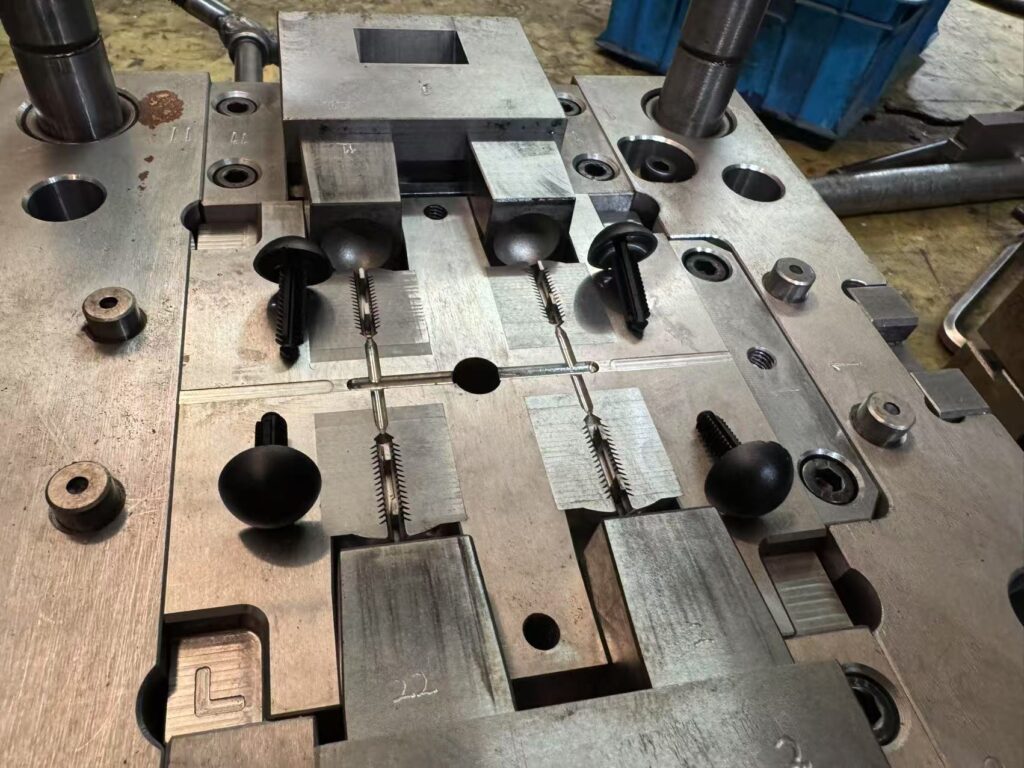
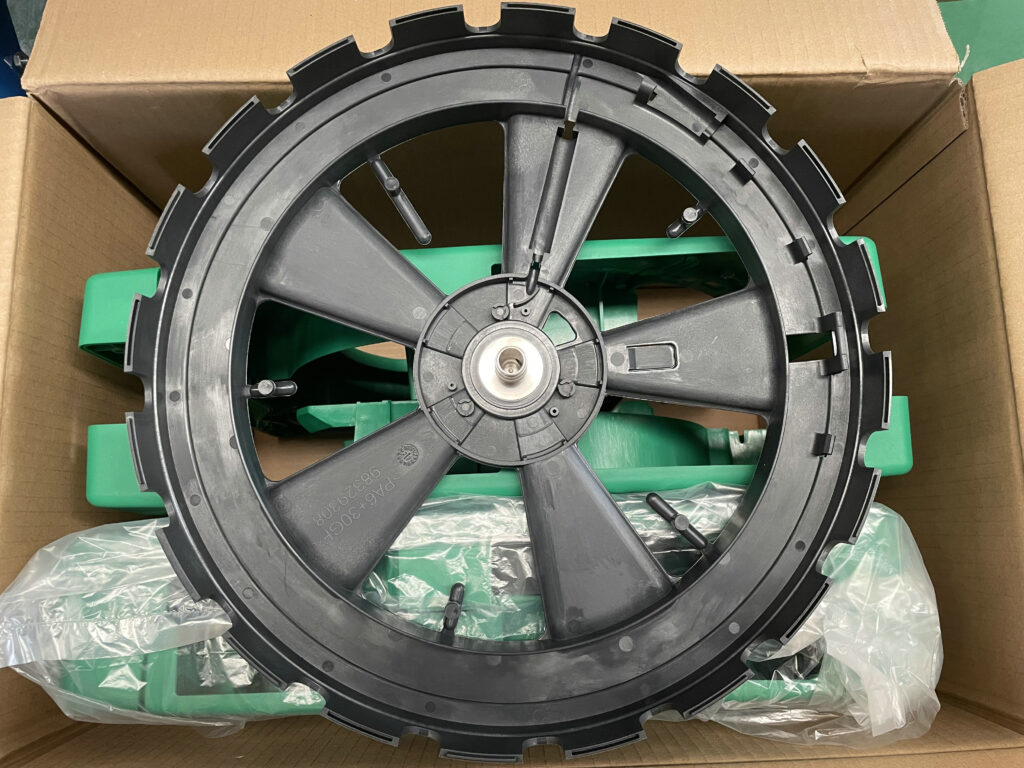
Insert molding involves placing inserts such as metal components into a mold cavity before injection.
During the process:
Inserts are positioned in the mold
Molten plastic is injected around them
The plastic solidifies, forming a single integrated part
Injection molding terminology is essential for engineers, product designers, and buyers working with plastic parts and molds.
This guide provides a structured explanation of key plastic injection molding terms, covering mold design, processing, defects, and surface finish.
In high-precision manufacturing, quality control (QC) is the foundation of customer trust. Consequently, achieving a zero-defect rate requires more than just a final inspection; it demands a systematic approach integrated into every production second. At CNMOULDING (Shanghai), we implement advanced QC strategies that differentiate our factory from standard molders.
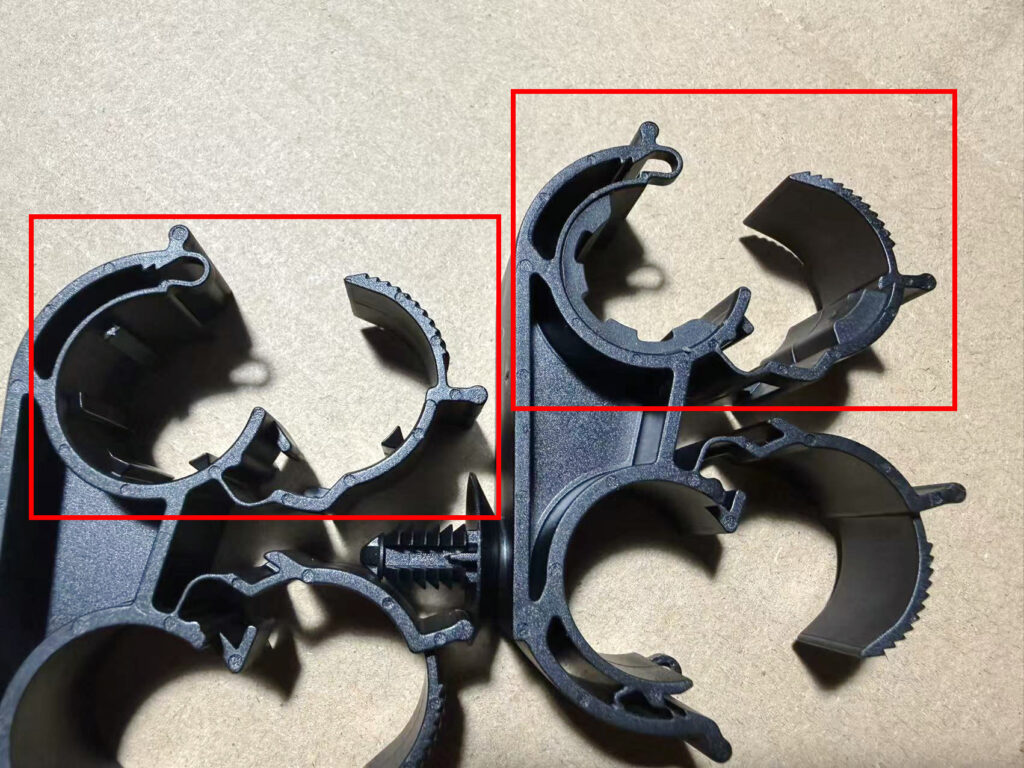
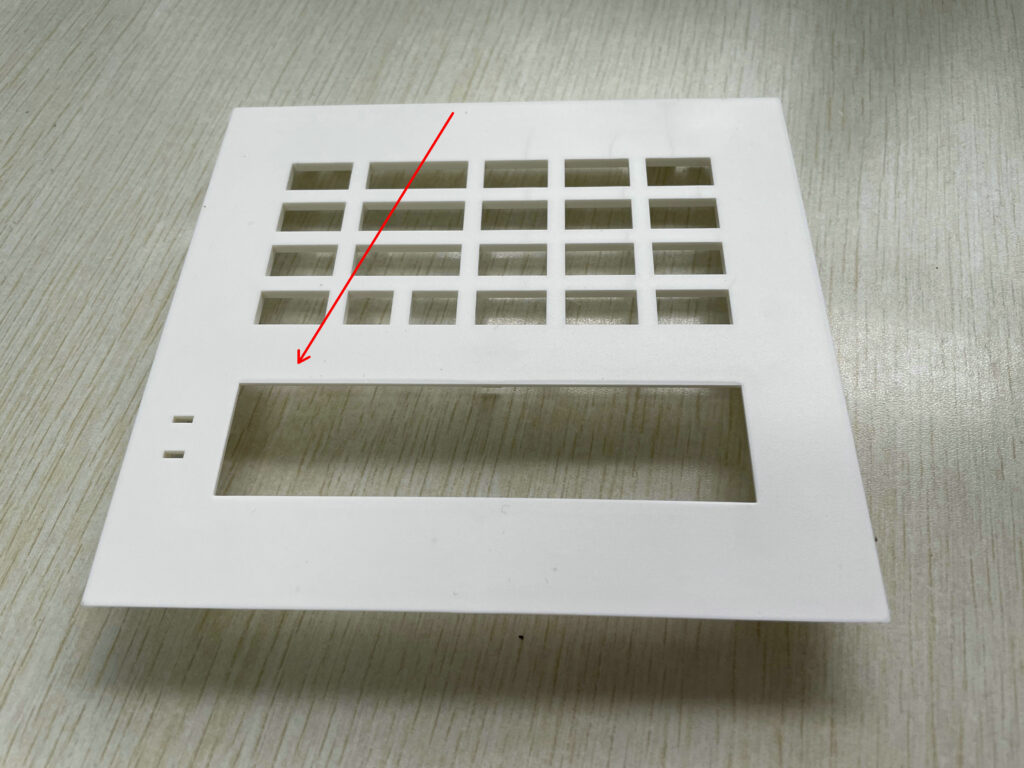
Injection Molding Short Shot: Why It Happens and How to Fix It
A short shot occurs when molten plastic fails to completely fill the mold cavity.
This defect is common in injection molding and can lead to:
Plastic moulding shrinkage is the contraction of plastic moulding as it cools after injection. Most shrinkage occurs in the mould during cooling, but some shrinkage occurs after ejection, as the part continues to cool.
Flash occurs when molten plastic escapes from the mold cavity during the injection process and solidifies outside the intended part geometry.
It typically appears in areas such as:
the mold parting line
ejector pin locations
slider interfaces
venting areas
Sink marks are small depressions or dimples that appear on the surface of molded plastic parts. They typically occur in thicker areas of the part where the material cools unevenly.
These defects usually appear:
near ribs
around screw bosses
in thick wall sections
close to structural supports
Injection Molding Material Selection Guide
How to Choose the Right Plastic Material for Your Project
Why Material Selection Is Critical
Choosing the wrong material can cause:
Product failure or deformation
Poor surface finish
Assembly issues in multi-material parts
Increased production cost
Mold redesign and delays