

Injection Molding Shrinkage: Causes, Solutions and Practical Solutions
Shrinkage is one of the most common quality problems in plastic injection molding. It appears as small depressions or surface dents on plastic parts and often occurs in areas with thicker walls or internal ribs.
Although shrinkage may seem like a minor cosmetic defect, it can significantly affect product appearance and dimensional accuracy. In industries such as automotive, electronics, and medical devices, shrinkage problems can lead to product rejection and production delays.
Understanding the causes of injection molding shrinkage and implementing proper design and process controls is essential for stable mass production.
At CNMOULDING, a Shanghai-based injection mold manufacturer established in 1997, we have helped many international customers solve shrinkage problems through optimized mold design and injection molding processes.
This article explains the main causes of shrinkage and practical solutions used in real manufacturing environments.
What Is Injection Molding Shrinkage
Injection Molding Shrinkage
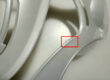
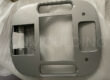
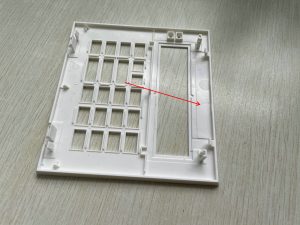
Shrinkage occurs when molten plastic cools and contracts during the solidification process inside the mold cavity.
Because plastic materials shrink as they cool, insufficient packing pressure or uneven cooling may cause the surface of the part to sink inward. This often appears as:
surface dents
depressions near ribs or bosses
uneven surfaces
Shrinkage defects are especially noticeable on parts with glossy surfaces or cosmetic requirements.
Main Causes of Injection Molding Shrinkage
Shrinkage is typically caused by a combination of material behavior, product design, mold design, and processing conditions.
Uneven Wall Thickness
One of the most common causes of shrinkage is uneven wall thickness in the product design.
Thicker areas of plastic take longer to cool compared to thinner areas. During cooling, the thicker region continues to shrink while the outer surface has already solidified.
This difference in shrinkage can cause visible sink marks on the surface.
To reduce this problem, designers should maintain uniform wall thickness whenever possible.
Insufficient Packing Pressure
During injection molding, packing pressure helps compensate for material shrinkage while the plastic cools inside the mold.
If the packing pressure is too low or the holding time is too short, not enough material enters the cavity to compensate for shrinkage.
This results in surface depressions or internal voids.
Proper adjustment of packing pressure and holding time is critical for controlling shrinkage.
Poor Gate Location
Gate location plays an important role in controlling material flow and pressure distribution.
If the gate is placed too far from thick sections of the part, the packing pressure may not reach these areas effectively.
As a result, shrinkage may appear near ribs, bosses, or thick sections.
Proper gate placement during mold design helps ensure balanced filling and packing.
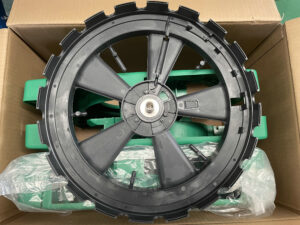
Insufficient Cooling Design
Cooling channels inside the mold regulate the temperature of the plastic during solidification.
If cooling channels are poorly designed, temperature distribution inside the mold becomes uneven. This can cause different cooling rates across the part, increasing the risk of shrinkage and deformation.
Efficient cooling design improves dimensional stability and surface quality.
Injection Molding Shrinkage
Real Production Case: Electronics Housing
A European electronics manufacturer once contacted our engineering team in Shanghai regarding shrinkage problems on a plastic enclosure used in a smart home device.
Project details
Material: ABS
Part size: 160 mm housing
Production volume: 300,000 parts per year
Problem Analysis
The customer reported visible sink marks near internal reinforcement ribs.
After reviewing the product design and mold structure, our engineers identified two major issues:
rib thickness was too large
packing pressure was insufficient
The rib thickness was approximately 80% of the main wall thickness, which significantly increased shrinkage risk.
Engineering Optimization
Our team proposed several improvements:
Reduce rib thickness to about 50–60% of wall thickness
Increase packing pressure during the holding stage
Optimize cooling channel placement around the rib area
These changes were implemented before the mold modification.
Injection Molding Shrinkage
Final Results
After optimization:
sink marks were eliminated
product surface quality improved
production stability increased
The customer successfully resumed mass production with a stable cycle time.
How to Prevent Injection Molding Shrinkage
Shrinkage problems can often be prevented through good design and proper process control.
Some effective strategies include:
Maintain uniform wall thickness
Avoid sudden changes in wall thickness whenever possible.
Optimize rib and boss design
Rib thickness should typically be 50–60% of the main wall thickness to reduce sink marks.
Improve gate design
Placing gates near thicker sections helps maintain sufficient packing pressure.
Optimize molding parameters
Proper adjustment of packing pressure, holding time, and melt temperature can significantly reduce shrinkage defects.
Injection Molding Shrinkage
Why Experienced Mold Design Matters
Shrinkage is often related to mold design and product structure. Working with an experienced injection mold manufacturer can help identify potential problems before mold production begins.
At CNMOULDING, our Shanghai factory provides complete services including:
injection mold design
mold manufacturing
plastic injection molding production
quality inspection and testing
Our facility operates under strict quality systems including:
ISO9001 certification
ISO13485 certification for medical manufacturing
With more than 25 years of experience, we help customers worldwide develop reliable injection molding solutions.
Start Your Injection Molding Project
If you are experiencing injection molding shrinkage problems or planning a new plastic product, our engineering team can help analyze your design and provide professional manufacturing solutions.
Contact CNMOULDING today to discuss your project and receive expert support for injection mold design and plastic injection molding production.