

How Much Does a Plastic Injection Mold Cost?
One of the most common questions product developers ask when starting a manufacturing project is:
How much does an injection mold cost?
The cost of a plastic injection mold can vary widely depending on part complexity, mold size, material requirements, and production volume. Some molds may cost only a few thousand dollars, while complex molds for automotive or medical applications can exceed $50,000 or more.
Understanding the factors that affect injection mold cost can help companies better plan their manufacturing budget and avoid unnecessary expenses during product development.
At CNMOULDING, a Shanghai-based mold manufacturer established in 1997, we have produced hundreds of plastic injection molds for global customers in automotive, electronics, and medical industries. Through years of mold design and manufacturing experience, we have seen how smart engineering decisions can significantly reduce tooling costs.
In this guide, we explain typical injection mold price ranges and the key factors that influence mold manufacturing cost.
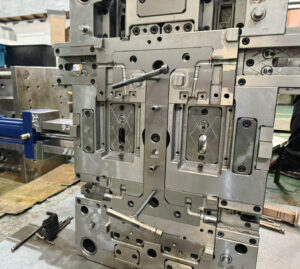
Typical Injection Mold Cost Range
Injection mold costs vary depending on mold complexity and production requirements. The following ranges reflect common pricing in the manufacturing industry.
Prototype Mold
Typical cost:
$1,000 – $5,000
Prototype molds are designed for product testing or small production runs. These molds often use simplified structures and may be made from aluminum or softer mold steels.
They allow companies to verify product design before investing in a full production mold.
Standard Production Mold
Typical cost:
$5,000 – $30,000
This is the most common mold type used for consumer products and industrial components.
Production molds are usually made from durable steel materials such as P20 or H13 and are designed for long-term manufacturing.
High-Precision or Multi-Cavity Mold
Typical cost:
$30,000 – $100,000+
Complex molds may include multiple cavities, sliding mechanisms, or high precision requirements.
These molds are often used in industries such as:
automotive components
medical devices
electronics housings
Although the initial investment is higher, multi-cavity molds can significantly reduce per-part production costs.
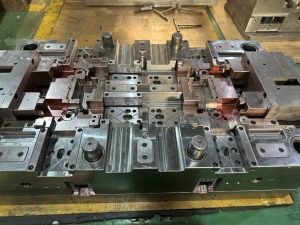
6 Key Factors That Affect Injection Mold Cost
Several engineering factors determine the final cost of an injection mold.
1 Part Complexity
The geometry of the plastic part has the biggest impact on mold cost.
Features that increase mold complexity include:
undercuts
side holes
complex ribs
tight tolerances
These features often require additional mold mechanisms such as sliders or lifters, which increase both design and manufacturing time.
2 Mold Size
Larger plastic parts require larger molds and larger injection molding machines.
A bigger mold means:
more steel material
longer machining time
more complex assembly
As mold size increases, manufacturing cost rises accordingly.
3 Mold Steel Selection
The type of steel used in mold manufacturing significantly affects tooling cost and mold durability.
Common mold steels include:
| Steel Type | Typical Use |
|---|---|
| P20 | General production molds |
| H13 | High-temperature or abrasive materials |
| S136 | Medical or high-polish applications |
Higher-grade steels increase tooling cost but extend mold life and improve product quality.
4 Number of Cavities
Multi-cavity molds allow manufacturers to produce several parts in one injection cycle.
Advantages include:
higher production efficiency
lower per-part cost
However, increasing cavity numbers also increases mold complexity and tooling cost.
5 Surface Finish Requirements
Products that require high cosmetic quality—such as consumer electronics housings—often need mirror polishing or textured surfaces.
These finishing processes require additional machining and polishing work, increasing mold manufacturing cost.
6 Production Volume
Production volume strongly influences mold design decisions.
For example:
small production runs may use simpler molds
high-volume production requires stronger mold materials and more robust structures
Choosing the right mold structure for the expected production volume helps optimize tooling investment.
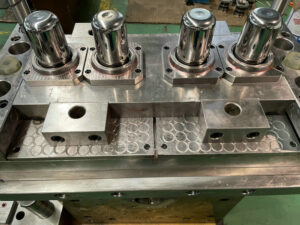
Real Case Study: Automotive Connector Mold
A European automotive supplier contacted our Shanghai engineering team to develop an injection mold for a PA66 glass-fiber reinforced connector housing.
Project Requirements
Material: PA66 GF30
Production volume: 600,000 parts per year
Tolerance requirement: high precision
Initial Cost Estimate
The customer initially planned to use a standard mold design with P20 steel.
Estimated tooling cost:
$22,000
However, because the material contained glass fiber reinforcement, mold wear would likely occur quickly with P20 steel.
Engineering Optimization
Our engineering team recommended several improvements:
upgrading the mold steel to H13
optimizing gate design for balanced filling
improving cooling channel layout
Although these upgrades increased the initial tooling cost slightly, they significantly improved mold durability.
Final Results
The final mold cost was approximately $27,000, but the mold life increased dramatically and production stability improved.
The mold successfully produced over 500,000 parts with minimal maintenance.
In the long term, the customer saved significant costs by avoiding frequent mold repairs and production downtime.
How to Reduce Injection Mold Cost
Companies can reduce tooling costs by optimizing product design and manufacturing strategy.
Some effective methods include:
Simplify Part Design
Reducing unnecessary undercuts or complex features lowers mold complexity.
Maintain Uniform Wall Thickness
Uniform wall thickness improves molding stability and reduces the need for complex mold structures.
Use DFM Analysis Early
Design for Manufacturing analysis helps identify potential problems before mold production begins.
Choose the Right Mold Steel
Selecting the appropriate steel based on production volume helps balance tooling cost and mold durability.
Why Work With an Experienced Mold Manufacturer
Injection mold manufacturing requires specialized engineering expertise. An experienced mold manufacturer can help optimize mold design, reduce production risks, and ensure stable mass production.
At CNMOULDING, our Shanghai factory provides complete services including:
injection mold design
mold manufacturing
plastic injection molding production
mold testing and quality inspection
Our facility operates under strict quality systems including:
ISO9001 certification
ISO13485 certification for medical device manufacturing
With more than 25 years of experience, we support global customers with reliable mold manufacturing solutions.
Start Your Injection Mold Project
If you are planning a new plastic product and want to estimate injection mold cost, our engineering team can review your design and provide professional recommendations.
Contact our Shanghai team today to discuss your project and receive expert support for injection mold manufacturing and plastic injection molding production.