
How to Fix Short Shot Defects in Injection Molding
Causes, Solutions, and Real Factory Case
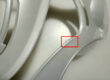
Short shot is one of the most common problems in plastic injection molding production. It occurs when molten plastic fails to completely fill the mold cavity, resulting in incomplete or partially formed parts.
For manufacturers and product designers, a short shot defect is more than a cosmetic issue. Incomplete filling can lead to:
weak structural performance
assembly problems
inconsistent product quality
production delays and material waste
At CNMOULDING, a Shanghai-based mold manufacturer established in 1997, we have helped customers from Europe and North America solve complex injection molding problems for more than 25 years. Many of these projects involve troubleshooting defects such as short shots, flash, warpage, and sink marks.
In this article, we explain the main causes of short shot defects, practical solutions, and a real case study from our factory.
What Is a Short Shot in Injection Molding
A short shot occurs when the molten plastic injected into the mold does not completely fill the mold cavity before solidifying.
As a result, the molded part may show:
missing corners
incomplete edges
partially filled ribs
hollow sections
Short shots are particularly common in parts with:
thin walls
complex geometries
long flow paths
When designing molds for precision products such as automotive connectors, medical components, or electronic housings, avoiding short shots becomes critical.
Main Causes of Short Shot Defects
Short shot defects can originate from several factors, including mold design, processing parameters, or material characteristics.
Below are the most common causes encountered in real production.
1. Insufficient Injection Pressure
Injection pressure is responsible for pushing molten plastic into every corner of the mold cavity.
If the pressure is too low, the plastic cannot travel through the entire cavity before cooling down. This often leads to incomplete filling, especially in areas that are far from the gate.
Typical signs of low pressure include:
short shots occurring at the far end of the part
inconsistent filling between cycles
weak or incomplete ribs
Solution
Engineers typically increase injection pressure or optimize the injection speed profile to improve flow behavior.
However, simply increasing pressure is not always the best solution. Mold design and material flow characteristics must also be considered.
2. Poor Mold Venting
During injection molding, air inside the mold cavity must escape as molten plastic fills the cavity.
If the mold does not have proper venting channels, trapped air creates resistance against the plastic flow.
This can lead to:
short shot defects
burn marks
incomplete filling
Solution
Proper venting design is essential for high-quality molding.
At CNMOULDING, our mold design engineers carefully design venting grooves and air channels to ensure trapped gases can escape during the injection process.
For complex parts, venting locations are optimized using Moldflow simulation analysis.
3. Low Melt Temperature
The temperature of the molten plastic directly affects its viscosity and flow ability.
If the melt temperature is too low:
the plastic becomes thicker
flow resistance increases
filling speed decreases
As a result, the material may solidify before reaching the end of the cavity.
Solution
Adjusting the barrel temperature and mold temperature can improve material flow and prevent short shot defects.
Material suppliers usually provide recommended processing temperatures, but fine adjustments are often necessary based on the specific mold structure.
4. Thin Wall Design
Thin-wall plastic parts are increasingly common in modern product design, especially in electronics and automotive components.
However, thin walls create longer flow paths and higher resistance.
If the mold design is not optimized, short shots may occur.
Solution
Several strategies can improve filling performance:
optimizing gate location
increasing injection speed
adjusting wall thickness distribution
improving runner design
In many cases, DFM (Design for Manufacturing) analysis is required before mold manufacturing.
Real Case Study: Automotive Connector Housing
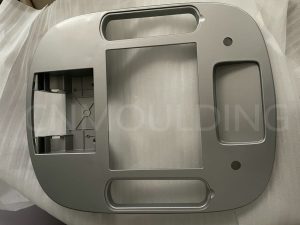
A European automotive electronics company once contacted us regarding a serious short shot issue with a connector housing component.
The project had already been attempted by another supplier, but the defect could not be resolved.
Project Details
material: PA66 + 30% glass fiber
wall thickness: 1.2 mm
part type: automotive electrical connector
annual production volume: 3 million units
Problem Description
During production trials, the plastic failed to fill several narrow ribs inside the connector housing.
The result was an incomplete structure that could not pass the customer’s quality inspection.
Our Engineering Analysis
Our Shanghai engineering team conducted a detailed analysis including:
Moldflow simulation
gate design evaluation
flow path analysis
venting inspection
The analysis revealed two key problems:
The original gate position created an uneven flow path.
The mold lacked sufficient venting near the rib area.
Engineering Solution
We implemented the following improvements:
relocated the injection gate to improve flow balance
added additional venting channels near the rib structure
optimized injection speed and pressure settings
Final Result
After these modifications:
short shot defects were completely eliminated
product filling became stable
production yield reached 99.6%
The customer successfully launched mass production and has continued working with us on additional mold projects.

How to Prevent Short Shot Problems
Based on our experience from hundreds of injection mold projects, preventing short shots usually involves a combination of good mold design and proper process control.
Key preventive measures include:
Optimize Mold Design
Proper gate location and runner design are critical for balanced plastic flow.
Conduct Moldflow Simulation
Simulation software can predict potential filling problems before the mold is manufactured.
Control Processing Parameters
Stable injection pressure, temperature, and speed ensure consistent filling performance.
Improve Venting Design
Proper venting allows trapped air to escape and prevents filling resistance.
Why Experience Matters in Injection Mold Manufacturing
Injection molding may appear straightforward, but achieving stable production without defects requires significant engineering expertise.
At CNMOULDING (Shanghai), we combine:
25+ years of mold manufacturing experience
advanced mold design software
precision machining equipment
strict quality control systems
Our company is certified under ISO9001 for quality management and ISO13485 for medical device manufacturing.
These standards ensure that every mold we produce meets strict international requirements.
Need Help Solving Injection Molding Problems?
If you are experiencing short shot defects, warpage issues, or inconsistent molding quality, our engineering team can help analyze your project and provide practical solutions.
We specialize in:
precision injection mold manufacturing
injection molding production
mold design optimization
defect troubleshooting
Contact our Shanghai team today to discuss your injection molding project.